This study by Mancini et al. (2021) examines how early treatment with selective serotonin reuptake inhibitors (SSRIs) affects cognition and brain development in individuals with 22q11.2 deletion syndrome (22q11DS). This syndrome is associated with a high risk for schizophrenia, making it an important focus for research into psychosis and its developmental impacts. The authors conducted a retrospective cohort study to assess long-term outcomes related to cognitive function and brain structure.
Background
22q11DS is a genetic disorder that predisposes individuals to a range of psychiatric and cognitive challenges, including a heightened risk for schizophrenia. The potential for early interventions to mitigate these effects has been of significant interest in recent years. Mancini et al. sought to evaluate the role of SSRIs, a class of medications commonly used for mood and anxiety disorders, in influencing cognitive outcomes and brain development within this population.
Key Insights
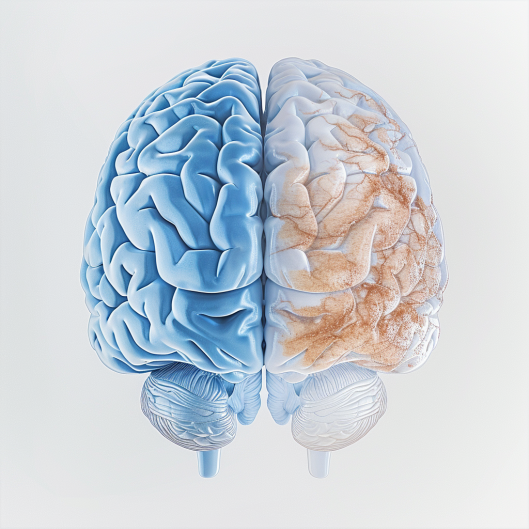
Changes in Brain Structure: Increased cortical thickness in the frontal regions and greater hippocampal volume were observed among those receiving SSRIs.
- Improved Cognitive Trajectories: Participants treated with SSRIs showed improved IQ scores and developmental trajectories, even in the presence of psychotic symptoms.
- Changes in Brain Structure: Increased cortical thickness in the frontal regions and greater hippocampal volume were observed among those receiving SSRIs.
- Timing Matters: The benefits of treatment were more pronounced in participants who began SSRIs at younger ages, suggesting earlier intervention may be more effective.
Significance
The findings suggest that early, sustained SSRI treatment may help reduce cognitive decline and mitigate some developmental brain abnormalities associated with psychosis in 22q11DS. This has implications for developing strategies to improve long-term outcomes in individuals with this genetic condition. However, as this study is preliminary, further research is necessary to confirm these results and to better understand the risks and benefits of SSRI use in this context.
Future Directions
Further studies should investigate the mechanisms underlying the observed cognitive and brain development changes, explore the generalizability of these findings to other populations at risk for psychosis, and assess the long-term safety and efficacy of early SSRI interventions. Expanding these studies to include larger and more diverse cohorts will enhance the reliability and applicability of the results.
Conclusion
This study provides encouraging evidence for the potential role of SSRIs in supporting cognitive and brain development in individuals with 22q11DS. While the findings are promising, careful and comprehensive research is required to refine early intervention strategies and ensure their safety and effectiveness for at-risk populations.
Reference:
Mancini, V., Maeder, J., Bortolin, K., Schneider, M., Schaer, M., & Eliez, S. (2021). Long-term effects of early treatment with SSRIs on cognition and brain development in individuals with 22q11.2 deletion syndrome. Translational Psychiatry, 11, 336. https://doi.org/10.1038/s41398-021-01480-3
Understanding Preterm Cognitive Development
Preterm birth — defined as birth before 37 weeks of gestation — affects approximately 10% of all births worldwide, making it one of the most common risk factors for cognitive development differences. The brain undergoes critical growth during the third trimester, including myelination of neural pathways, synaptogenesis, and cortical folding. When birth occurs before these processes complete, the resulting developmental trajectory can differ in measurable ways.
Key Takeaways
- (2021) examines how early treatment with selective serotonin reuptake inhibitors (SSRIs) affects cognition and brain development in individuals with 22q11.2 deletion syndrome (22q11DS).
- Background
22q11DS is a genetic disorder that predisposes individuals to a range of psychiatric and cognitive challenges, including a heightened risk for schizophrenia. - Key Insights
Improved Cognitive Trajectories: Participants treated with SSRIs showed improved IQ scores and developmental trajectories, even in the presence of psychotic symptoms.
- Significance
The findings suggest that early, sustained SSRI treatment may help reduce cognitive decline and mitigate some developmental brain abnormalities associated with psychosis in 22q11DS.
Research consistently shows that the degree of prematurity matters: extremely preterm infants (born before 28 weeks) face the greatest cognitive challenges, while late preterm infants (34-36 weeks) often catch up to their full-term peers by school age. However, “catching up” in average scores does not mean individual outcomes are predetermined — environmental enrichment, responsive caregiving, and early intervention programs have been shown to significantly narrow developmental gaps.
Modern neonatal intensive care has dramatically improved survival rates, shifting research focus from mortality to long-term quality of life and cognitive outcomes. Longitudinal studies following preterm cohorts into adulthood reveal that while group-level differences persist, individual variation is substantial, and many preterm-born adults achieve educational and professional success comparable to their full-term peers.
Practical Implications for Parents and Clinicians
For parents of preterm infants, these findings offer both realistic expectations and grounds for optimism. While group-level statistics show average cognitive differences, individual trajectories vary enormously. Key protective factors include kangaroo care (skin-to-skin contact), responsive parenting, early enrollment in developmental follow-up programs, and creating language-rich home environments. Clinicians should provide balanced counseling that acknowledges risks without creating self-fulfilling prophecies of poor outcomes.
Early intervention services — typically available through state early intervention programs for children birth to age 3 — have demonstrated effectiveness in narrowing cognitive gaps. These services may include speech-language therapy, occupational therapy, developmental play-based interventions, and parent coaching. The earlier these services begin, the greater their potential impact, as neural plasticity is highest in the first years of life.
Frequently Asked Questions
Can medications improve cognitive function?
Some medications can improve cognitive function in specific clinical populations. SSRIs may support cognitive development in certain genetic conditions. Stimulant medications improve attention in ADHD. However, no medication has been shown to reliably enhance intelligence in healthy individuals. Research continues on potential cognitive-enhancing compounds.
People Also Ask
What are the link between physical activity and cognitive health?
Recent research highlights how everyday physical activity can benefit cognitive health. A study by Hakun et al. (2024) examined the short-term effects of regular physical activity on mental processing speed and working memory. Using real-time assessments, the study provides new insights into how light and moderate physical activities can promote brain health in middle-aged adults.
Read more →What are gender differences in early education impacts on cognitive outcomes?
This study, published by Burchinal et al. (2024), examines the long-term effects of early childhood education (ECE) interventions on cognitive outcomes, with a focus on how impacts vary by gender. Using data from the Carolina Abecedarian Project, the researchers explore treatment effects from infancy through middle adulthood, highlighting key differences in outcomes between males and females.
Read more →What are sensorimotor variability and early cognition?
A recent study by Denisova and Wolpert (2024) investigates how early sensorimotor features relate to cognitive differences in toddlers diagnosed with autism spectrum disorder (ASD). By examining over 1,000 children with varying IQ levels, the researchers reveal how sensorimotor variability impacts behaviors linked to autism, providing valuable insights for individualized interventions.
Read more →What are distinct genetic and environmental origins of hierarchical cognitive abilities in adult humans?
Understanding how genetic and environmental influences shape cognitive abilities remains a cornerstone of psychological research. Jiang et al. (2024) present an important study that examines these influences through a structured twin-based model. This research provides insight into how basic and higher-order cognitive functions are differentially affected by genetic inheritance and shared experiences.
Read more →Why is background important?
22q11DS is a genetic disorder that predisposes individuals to a range of psychiatric and cognitive challenges, including a heightened risk for schizophrenia. The potential for early interventions to mitigate these effects has been of significant interest in recent years. Mancini et al. sought to evaluate the role of SSRIs, a class of medications commonly used for mood and anxiety disorders, in influencing cognitive outcomes and brain development within this population.
How does key insights work in practice?
Improved Cognitive Trajectories: Participants treated with SSRIs showed improved IQ scores and developmental trajectories, even in the presence of psychotic symptoms. Changes in Brain Structure: Increased cortical thickness in the frontal regions and greater hippocampal volume were observed among those receiving SSRIs. Timing Matters: The benefits of treatment were more pronounced in