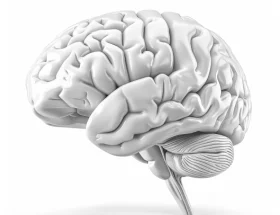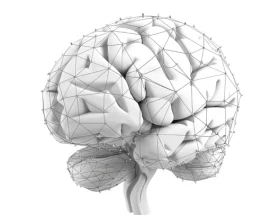
The study by Kaminski et al. (2018) investigates the intricate relationships between genetic, epigenetic, and neurobiological factors that contribute to variability in general intelligence (gIQ). By focusing on dopamine D2 receptor (DRD2) gene modification, gray matter density, and striatal functional activation, the research sheds light on the complex interplay influencing cognitive abilities.
Background
General intelligence (gIQ) has long been studied as a heritable trait, but the variance explained by genetic markers often falls short of estimates from twin studies. This gap, known as the “missing heritability,” has led researchers to explore additional contributors, including epigenetic modifications and neurobiological markers. The IMAGEN project, with its sample of 1475 healthy adolescents, provides a unique opportunity to examine these factors in depth.
Key Insights
- Dopamine D2 Receptor Gene (DRD2): Epigenetic modifications of the DRD2 gene were found to be associated with variations in gIQ. These modifications may regulate dopamine neurotransmission, a critical pathway for cognitive functions.
- Structural and Functional Markers: Gray matter density in the striatum and striatal activation in response to reward-related cues were linked to individual differences in cognitive performance. These findings suggest a neurobiological basis for intelligence variability.
- Polygenic Scores: While genetic variance remains significant, the study emphasizes that epigenetic and environmental factors contribute equally to understanding the heritability and malleability of gIQ.
Significance
This research highlights the importance of integrating genetic, epigenetic, and neurobiological perspectives to fully understand cognitive abilities. By addressing the “missing heritability,” the study contributes to a more nuanced view of intelligence and its variability. It also underscores the need to consider both inherited and environmentally influenced changes in the epigenetic structure.
Future Directions
Future research could build on these findings by examining longitudinal data to confirm whether peripheral epigenetic markers reflect central nervous system changes over time. Additionally, exploring how environmental factors such as stress, education, and social interactions influence DRD2 epigenetic modifications could provide actionable insights for cognitive interventions.
Conclusion
The study by Kaminski et al. (2018) offers a significant contribution to understanding intelligence variability. By examining the combined roles of genetic and epigenetic factors, along with neurobiological correlates, it bridges gaps in existing knowledge. The findings pave the way for further research into the dynamic interactions that shape cognitive performance and adaptability.
Reference
Kaminski, J. A., Schlagenhauf, F., Rapp, M., et al. (2018). Epigenetic variance in dopamine D2 receptor: a marker of IQ malleability? Translational Psychiatry, 8(169). https://doi.org/10.1038/s41398-018-0222-7
Genetics, Epigenetics, and Intelligence: Current Understanding
The genetics of intelligence has undergone a revolution in the past decade. Twin studies consistently estimate heritability at 50-80% in adults, but genome-wide association studies (GWAS) initially struggled to identify specific genetic variants — a puzzle known as the “missing heritability” problem. Recent mega-GWAS studies with sample sizes exceeding one million have identified thousands of genetic variants that collectively explain up to 10-15% of IQ variance, each contributing a tiny fraction.
Key Takeaways
- Recent mega-GWAS studies with sample sizes exceeding one million have identified thousands of genetic variants that collectively explain up to 10-15% of IQ variance, each contributing a tiny fraction.
- Key Insights
Dopamine D2 Receptor Gene (DRD2): Epigenetic modifications of the DRD2 gene were found to be associated with variations in gIQ.
- (2018) offers a significant contribution to understanding intelligence variability.
- (2018) investigates the intricate relationships between genetic, epigenetic, and neurobiological factors that contribute to variability in general intelligence (gIQ).
Epigenetics has emerged as a potential bridge between genetic predisposition and environmental influence. Epigenetic modifications — chemical changes to DNA or histone proteins that alter gene expression without changing the underlying DNA sequence — can be influenced by environmental factors including nutrition, stress, toxin exposure, and social experience. These modifications can potentially affect cognitive development by altering the expression of genes involved in neurotransmitter systems, neuroplasticity, and brain development.
The interaction between genes and environment is particularly important for understanding intelligence. Gene-environment correlations (where genetically influenced traits lead people to seek out certain environments) and gene-environment interactions (where genetic effects depend on environmental conditions) make it impossible to neatly separate “nature” from “nurture.” This understanding has profound implications for educational and social policy: even highly heritable traits can be modified by environmental intervention, as demonstrated by the substantial IQ gains associated with adoption from disadvantaged to advantaged homes.
Translating Nutritional Research into Practice
The gap between nutritional neuroscience and everyday food choices is significant. Practical recommendations should emphasize dietary patterns rather than individual nutrients, as the synergistic effects of whole foods exceed the sum of their isolated components. A food-first approach is generally preferable to supplementation, with exceptions for documented deficiencies (particularly iron, vitamin D, and omega-3s in populations with limited dietary access).
For pregnant women, the priority nutrients for fetal brain development include folate (found in leafy greens, legumes, and fortified grains), DHA omega-3 (fatty fish, algae-based supplements), iron (lean meats, beans, fortified cereals), iodine (dairy, seafood, iodized salt), and choline (eggs, liver, soybeans). For children and adults, the most evidence-supported approach is a varied Mediterranean-style diet rich in whole foods, with limited processed food, added sugar, and saturated fat.
Frequently Asked Questions
How much of intelligence is genetic?
Twin and adoption studies consistently estimate that genetic factors account for 50-80% of variation in adult intelligence, with heritability increasing from roughly 40% in childhood to 60-80% in adulthood. However, heritability does not mean immutability — environmental factors still play a significant role, especially in disadvantaged populations where environmental variation is greater.
People Also Ask
What are the link between physical activity and cognitive health?
Recent research highlights how everyday physical activity can benefit cognitive health. A study by Hakun et al. (2024) examined the short-term effects of regular physical activity on mental processing speed and working memory. Using real-time assessments, the study provides new insights into how light and moderate physical activities can promote brain health in middle-aged adults.
Read more →What are sensorimotor variability and early cognition?
A recent study by Denisova and Wolpert (2024) investigates how early sensorimotor features relate to cognitive differences in toddlers diagnosed with autism spectrum disorder (ASD). By examining over 1,000 children with varying IQ levels, the researchers reveal how sensorimotor variability impacts behaviors linked to autism, providing valuable insights for individualized interventions.
Read more →What are distinct genetic and environmental origins of hierarchical cognitive abilities in adult humans?
Understanding how genetic and environmental influences shape cognitive abilities remains a cornerstone of psychological research. Jiang et al. (2024) present an important study that examines these influences through a structured twin-based model. This research provides insight into how basic and higher-order cognitive functions are differentially affected by genetic inheritance and shared experiences.
Read more →What are shaping hierarchical cognitive abilities?
Recent research by Jiang et al. (2024) sheds light on the distinct genetic and environmental influences shaping hierarchical cognitive abilities in adults. By categorizing cognitive functions into two levels—basic processes and higher-order functions—this study provides valuable insights into how these abilities develop and differ in their origins.
Read more →Why is background important?
General intelligence (gIQ) has long been studied as a heritable trait, but the variance explained by genetic markers often falls short of estimates from twin studies. This gap, known as the "missing heritability," has led researchers to explore additional contributors, including epigenetic modifications and neurobiological markers. The IMAGEN project, with its sample of 1475 healthy adolescents, provides a unique opportunity to examine these factors in depth.
How does key insights work in practice?
Dopamine D2 Receptor Gene (DRD2): Epigenetic modifications of the DRD2 gene were found to be associated with variations in gIQ. These modifications may regulate dopamine neurotransmission, a critical pathway for cognitive functions. Structural and Functional Markers: Gray matter density in the striatum and striatal activation in response to reward-related cues were
Freitas, N. (2018, September 24). Epigenetic Influence on IQ Malleability: Insights from the IMAGEN Project. PsychoLogic. https://www.psychologic.online/2018/09/24/iq-malleability-the-role-of-epigenetics-and-dopamine-d2-receptor/