

Can you prevent cognitive decline? A neuroscientist reviews the most evidence-supported strategies for maintaining brain health as you age — from exercise to social engagement.
Neuroplasticity Explained: How Your Brain Rewires Itself Throughout Life
What is neuroplasticity and how does it work? A neuroscientist explains how the brain rewires itself through experience, learning, and recovery — and what this means for cognitive potential.
Alcohol and the Brain: What Happens to Cognitive Function When You Drink
How does alcohol affect the brain? From a single drink to chronic heavy use — what neuroscience reveals about alcohol’s impact on memory, cognition, and brain structure.
Stress and the Brain: How Chronic Stress Damages Cognitive Function
How does chronic stress affect the brain? A neuroscientist explains the mechanisms of stress-related cognitive damage — from cortisol toxicity to hippocampal shrinkage — and how to protect yourself.
Brain Foods for Students: What to Eat for Better Focus and Memory
What are the best brain foods for studying? A neuroscientist reviews the evidence on nutrition, cognitive function, and academic performance — practical dietary advice backed by research.
Air Pollution and Your Brain: The Cognitive Costs You Don’t See
We worry about air pollution’s effects on our lungs and hearts. But a growing body of research reveals an even more alarming target: the brain. From children’s developing intelligence to older adults’ cognitive decline, air quality affects cognition in ways we’re only beginning to understand. Key Takeaway: Chronic exposure to …
Does Exercise Boost Brain Power? What Neuroscience Actually Says
From Silicon Valley executives swearing by morning runs to schools adding PE to boost test scores, the idea that exercise makes you smarter has become almost gospel. But what does the neuroscience actually show? The answer is encouraging — but more nuanced than the headlines suggest. Key Takeaway: Regular aerobic …
COVID Brain Fog: What Research Says About Long-Term Cognitive Effects
Three years after the initial pandemic wave, “brain fog” remains one of the most commonly reported long COVID symptoms. Patients describe difficulty concentrating, word-finding problems, slowed thinking, and memory lapses — complaints that are vague enough to be dismissed but consistent enough to demand scientific attention. Research has now moved …
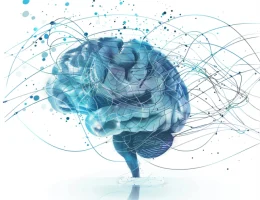
The Link Between Physical Activity and Cognitive Health
Recent research highlights how everyday physical activity can benefit cognitive health. A study by Hakun et al. (2024) examined the short-term effects of regular physical activity on mental processing speed and working memory. Using real-time assessments, the study provides new insights into how light and moderate physical activities can promote …
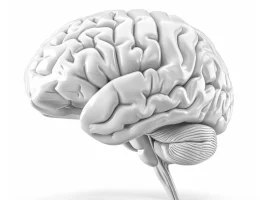
Distinct Genetic and Environmental Origins of Hierarchical Cognitive Abilities in Adult Humans
Understanding how genetic and environmental influences shape cognitive abilities remains a cornerstone of psychological research. Jiang et al. (2024) present an important study that examines these influences through a structured twin-based model. This research provides insight into how basic and higher-order cognitive functions are differentially affected by genetic inheritance and …