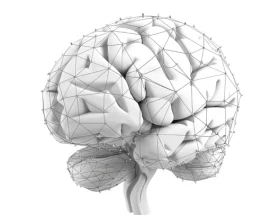
Stress is a universal human experience, and in acute doses, it enhances cognitive performance — sharpening attention, improving memory encoding, and speeding reaction times. But when stress becomes chronic, the same biological systems that optimize short-term performance begin to damage the brain. Understanding the neuroscience of chronic stress explains why prolonged adversity impairs cognition and what can be done about it.
The Stress Response: Designed for Emergencies
The hypothalamic-pituitary-adrenal (HPA) axis evolved to handle acute threats. When danger is detected, the hypothalamus triggers a cascade that ultimately releases cortisol from the adrenal glands. Cortisol mobilizes energy resources, suppresses non-essential functions (digestion, reproduction, immune response), and sharpens sensory processing. This is the “fight or flight” response — exquisitely designed for surviving immediate threats.
The problem is that modern stressors — financial pressure, work demands, relationship conflict, social media anxiety — activate the same system chronically without the physical resolution (fighting or fleeing) that would normally terminate the response. The result is sustained elevation of cortisol with no adaptive endpoint.
How Chronic Cortisol Damages the Brain
Hippocampal damage. The hippocampus — essential for forming new memories and regulating the stress response itself — is densely packed with cortisol receptors, making it particularly vulnerable to chronic stress. Sustained cortisol exposure causes hippocampal neurons to retract their dendritic branches, reduces neurogenesis, and in severe cases can lead to hippocampal volume loss. MRI studies of people with chronic stress, PTSD, and Cushing’s syndrome (which causes cortisol excess) consistently show reduced hippocampal volume.
Prefrontal cortex impairment. The prefrontal cortex — responsible for executive function, working memory, and decision-making — is also highly sensitive to chronic stress. Sustained cortisol exposure reduces dendritic complexity in prefrontal neurons, weakening the circuits that support cognitive flexibility, impulse control, and rational decision-making. This explains why chronically stressed individuals often make poor decisions and struggle with attention and planning.
Amygdala hypertrophy. While the hippocampus and prefrontal cortex shrink under chronic stress, the amygdala — the brain’s threat detection center — actually grows. Chronic stress promotes dendritic growth and increased connectivity in the amygdala, making it more reactive to perceived threats. This creates a vicious cycle: an enlarged, hyperactive amygdala perceives more threats, which maintains the stress response, which further damages the hippocampus and prefrontal cortex.
Cognitive Consequences
The structural brain changes caused by chronic stress manifest in measurable cognitive deficits:
Memory impairment. Both the encoding of new memories and the retrieval of existing memories are compromised. Chronically stressed individuals report more forgetfulness, difficulty concentrating, and “brain fog.” Hippocampal damage specifically impairs episodic memory (remembering specific events) while leaving procedural memory (learned skills) relatively intact.
Reduced executive function. Planning, organizing, multitasking, and cognitive flexibility all decline under chronic stress. Decision-making becomes more impulsive and less rational as prefrontal cortex function is compromised. This is why people under severe stress often make choices they later regret.
Attention narrowing. Chronic stress shifts attention toward threat-related stimuli and away from neutral or positive information. This attentional bias — driven by the hyperactive amygdala — impairs the ability to focus on tasks, absorb new information, and maintain broad awareness of one’s environment.
Vulnerable Populations
Children and adolescents are particularly vulnerable to stress-related brain changes because their brains are still developing. Early life stress — including childhood adversity, abuse, neglect, and household dysfunction — can permanently alter stress response systems, leading to a heightened cortisol response that persists into adulthood. The Adverse Childhood Experiences (ACEs) literature documents a dose-response relationship between childhood adversity and lifelong cognitive, health, and social outcomes.
Older adults are also at increased risk because age-related reductions in hippocampal volume and prefrontal cortex function are compounded by chronic stress. Chronically stressed older adults show accelerated cognitive aging and increased risk of dementia.
Reversibility and Protection
The good news is that many stress-related brain changes are reversible when the stressor is removed or managed effectively. Hippocampal neurogenesis can resume, dendritic branches can regrow, and functional connectivity can be restored. The key interventions include:
Physical exercise is perhaps the most powerful stress buffer. Aerobic exercise reduces cortisol levels, increases BDNF (which counteracts cortisol’s neurotoxic effects), promotes hippocampal neurogenesis, and improves prefrontal cortex function. Even moderate exercise (30 minutes of brisk walking, 5 days per week) produces significant stress-protective effects.
Mindfulness meditation has been shown to reduce cortisol levels, increase gray matter density in the hippocampus and prefrontal cortex, and decrease amygdala reactivity — directly counteracting the three key brain changes caused by chronic stress. Effects appear after as little as 8 weeks of regular practice.
Social support buffers the cortisol response to stressors. The presence of supportive others during or after stress exposure reduces cortisol release and accelerates return to baseline. Social isolation, conversely, amplifies the stress response and its cognitive consequences.
Sleep is essential for cortisol regulation. The HPA axis follows a circadian rhythm, with cortisol normally dropping to its lowest levels during early sleep. Disrupted sleep prevents this natural cortisol clearance, maintaining elevated levels. Prioritizing sleep quality and duration is a fundamental stress management strategy.
Frequently Asked Questions
Can stress permanently damage the brain?
Chronic stress can cause structural brain changes including hippocampal volume loss and prefrontal cortex thinning. However, most stress-related brain changes are at least partially reversible when the stressor is removed and protective factors (exercise, sleep, social support) are present. Early life stress during critical developmental periods may cause more lasting changes.
How long does it take for the brain to recover from chronic stress?
Recovery timelines vary depending on the duration and severity of stress. Studies on stress recovery show measurable improvements in hippocampal function within weeks of stress reduction, with more complete structural recovery occurring over months. Regular exercise, adequate sleep, and mindfulness practices accelerate recovery.